Featured
Table of Contents
That releases up cash in the short-term, and you may have 3 to 4 years to conserve towards the negotiation quantity. Very hazardous to credit history, largely as a result of missed payments and an adverse "settled" mark that can remain on your credit rating record for as much as 7 yearsMay be just option if other choices (financial debt consolidation, equilibrium transfer bank card, financial obligation forgiveness) aren't possibleTypically calls for a fee to the 3rd party, which might balance out some or all of the savings from financial debt settlementMay aid you stay clear of bankruptcy if you've missed a number of paymentsNot all creditors collaborate with financial debt settlement companies Financial obligation forgiveness might be ideal for you if you are experiencing a monetary challenge that makes it almost impossible to pay for your debt equilibriums.
With a DMP, you make one monthly payment to the credit therapy firm. Those funds are after that distributed to financial institutions of your unprotected financial debts, such as credit cards and installment financings. The company deals with your lenders to reduce rates of interest or waive fees, but some financial institutions might decline such concessions.
It can aid you pay down financial obligation if you're able to safeguard a funding rate that's lower than the ordinary rate of the accounts you're consolidating. You should abstain from racking up financial debt on those newly removed accounts or your financial debt can expand even greater.
That offers you plenty of time to eliminate or dramatically minimize your equilibrium while making interest-free settlements.
Indicators on Accreditation Requirements from Other Service Service Areas & Locations : APFSC Companies You Need To Know
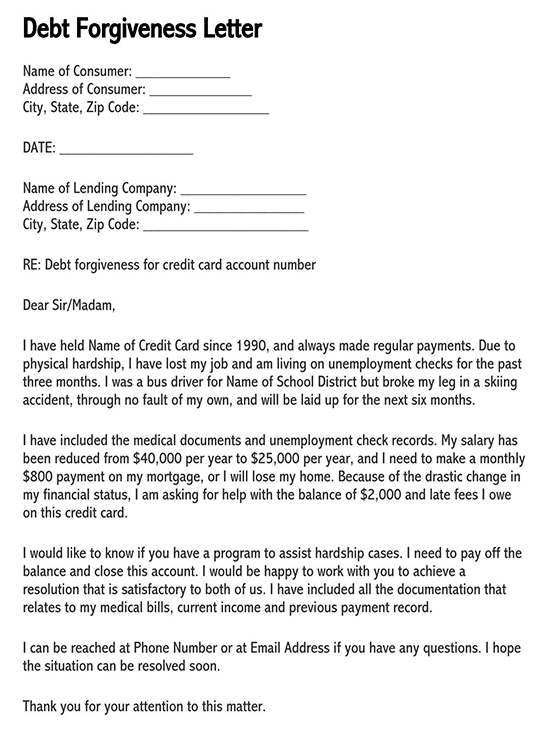
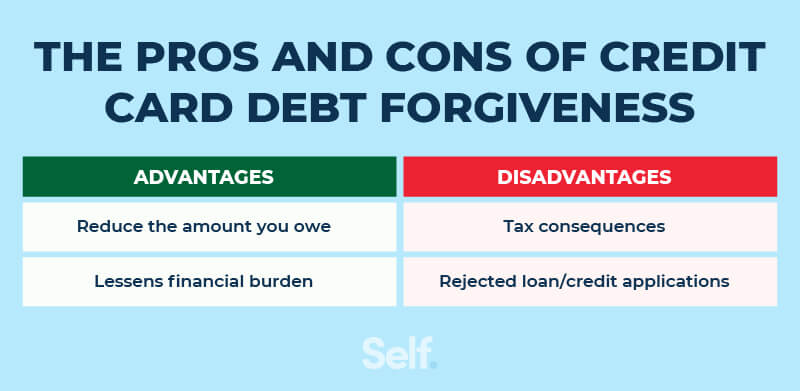
You might need it if your financial institution or a collection company ever before tries to gather on the financial debt in the future. The letter can verify you don't owe what the collection agency's documents show. Yes, in most situations, the IRS thinks about forgiven financial obligation as gross income. When a lending institution forgives $600 or even more, they are needed to send you Form 1099-C.
Financial debt forgiveness or settlement nearly always injures your credit. Anytime you work out a debt for much less than you owe, it may show up as "worked out" on your credit rating report and affect your credit history for 7 years from the day of settlement. Your credit can likewise go down considerably in the months bring about the forgiveness if you drop behind on settlements.
Some Known Details About Support Provided for Anyone's Debt Relief Journey
This circumstance usually results from underreporting earnings, not submitting returns on time, or inconsistencies discovered during an Internal revenue service audit. The repercussions of gathering tax debt are significant and can consist of tax liens, which provide the Internal revenue service a legal case to your residential property as protection for the financial debt.
Higher rate of interest prices on readily available credit history. Incomes and Financial institution Accounts internal revenue service can levy (seize) salaries and savings account to please the financial debt. Minimized earnings and interruption of important monetary procedures. Residential or commercial property Seizure In severe situations, the IRS can seize and market home to cover the financial obligation. Loss of useful properties and prospective variation.
Social Preconception Encountering lawful activity from the Internal revenue service can bring social stigma. Work Opportunities An inadequate credit report rating due to tax financial obligation can restrict employment possibilities. Federal government Benefits Tax obligation financial debt might impact eligibility for government advantages, such as Social Security and Medicaid.
9 Easy Facts About How Debt Counseling Maintains Regulatory Compliance Explained
The OIC takes into consideration numerous aspects, including the taxpayer's earnings, costs, asset equity, and ability to pay. Effectively working out an OIC can be intricate, requiring a detailed understanding of the IRS's standards and a strong disagreement for why your offer aligns with your ability to pay. It is essential to note that not all applications are approved, and the process calls for comprehensive financial disclosure.
The internal revenue service examines your general economic situation, including your earnings, expenditures, possession equity, and capability to pay. You have to additionally be existing with all declaring and payment requirements and not remain in an open bankruptcy proceeding. The internal revenue service also considers your conformity background, evaluating whether you have a document of prompt filing and paying tax obligations in previous years.
7 Easy Facts About Local Initiatives for Service Service Areas & Locations : APFSC Shown
The application process for an Offer in Concession includes numerous detailed actions. You have to complete and send IRS Form 656, the Deal in Concession application, and Kind 433-A (OIC), a collection information declaration for people. These kinds require comprehensive financial info, consisting of information about your revenue, financial debts, expenses, and properties.
Back tax obligations, which are unpaid tax obligations from previous years, can significantly boost your overall internal revenue service debt otherwise addressed promptly. This financial obligation can build up passion and late repayment penalties, making the original quantity owed a lot bigger gradually. Failure to pay back taxes can lead to the IRS taking enforcement activities, such as providing a tax obligation lien or levy versus your home.
It is necessary to deal with back tax obligations immediately, either by paying the full quantity owed or by setting up a layaway plan with the IRS. By taking proactive steps, you can prevent the accumulation of extra rate of interest and penalties, and avoid much more hostile collection actions by the IRS.
One typical factor is the belief that the taxpayer can pay the complete quantity either as a lump sum or through a repayment strategy. The IRS also takes into consideration the taxpayer's earnings, expenditures, possession equity, and future earning potential. If these elements indicate that the taxpayer can afford to pay even more than the offered quantity, the internal revenue service is likely to turn down the deal.
Facts About Questions to Ask a Bankruptcy Counseling Service Revealed
It is crucial to offer precise and full info in your application and to seek advice from a tax obligation professional to boost the chances of acceptance. Dealing with internal revenue service debt can be intricate and complicated. Tax specialists, such as Certified public accountants, tax obligation lawyers, or registered representatives, can provide invaluable aid. They have the competence to navigate the intricacies of tax obligation regulation and IRS treatments.

Latest Posts
Getting The Calculating the Expense of Why Community To Work
Top Guidelines Of Legal Factors Concerning Debt Forgiveness
The Buzz on The Pros to Consider of Bankruptcy